Sr Military - After the dissolution of Czechoslovakia on 1 January 1993, the Armed Forces of the Slovak Republic separated from the Army of Czechoslovakia. Slovakia joined NATO on March 29, 2004.
The Slovak Air Force, officially the Air Force of the Slovak Republic, has been protecting Slovak airspace since 1993. The Slovak Air Force consists of one aircraft wing, one helicopter wing, and one transport aircraft wing. , and one SAM battalion. It operates about 20 fighter jets and about 10 helicopters from 3 air bases: Malacky/Kuchyňa Air Base, Sliač Air Base, Prešov Air Base. The Air Force is part of the NATO Integrated Air and Missile Defense System - NATINADS.
Sr Military
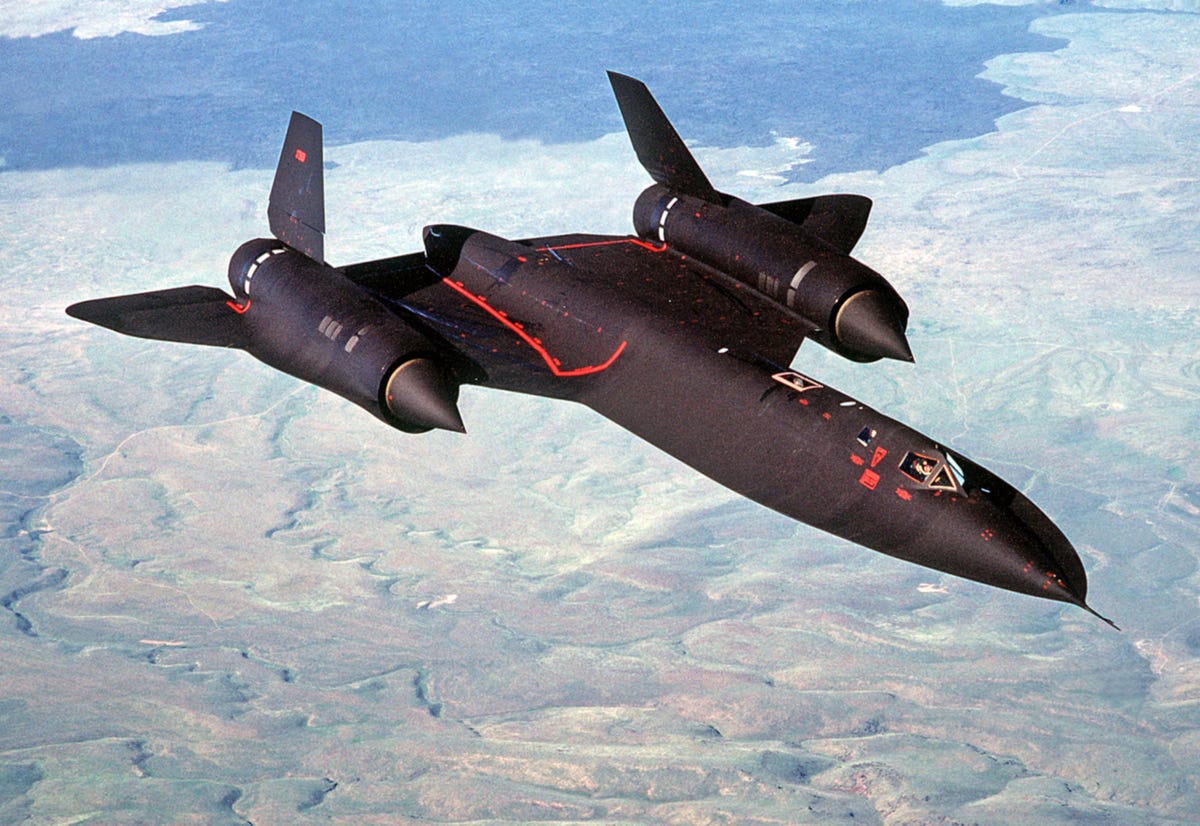
Slovak troops were withdrawn from Kosovo as the Slovak military prioritized NATO leadership.
Príprava Na Slávnostnú Vojenskú Prehliadku Vrcholí :: Ministerstvo Obrany Sr
Since Slovakia gained independence in 1993, 60 uniformed personnel have died in the line of duty for the United Nations and NATO (as of 30 April 2018).
See also: Movemt Coordination Ctre · Air Group · Finabel · Federation of Armed Forces and Trade Unions · Organization for the Cooperation of Allied Arms · Center for the Rehabilitation of Workers
See also: European Border and Coast Guard Operations · Western Union Exercises · European Naval Operations · European Rapid Action Force Operations · European Gdarmerie Force Missions · European Naval Exercises · Operation European Force
: Led by the Western European Union before 2003. These operations are not designated using common prefixes such as EUFOR, EUNAVFOR. Benjamin Oliver Davis Sr. (May 28, 1880 - November 26, 1970) was a United States Army general. In 1940, he became the first African-American to attain the rank of Brigadier General. He is Air Force General O. Davis Jr.'s father. According to historian Russell Wegley, his work is important not because of what he accomplished, as he was only allowed limited responsibilities, but as an indication of small achievements. For African Americans in the United States Army during World War II. Franklin D. Roosevelt's New Deal era favored African Americans, and in 1940 he appointed Davis as the first black general. During World War II, Davis held correctional assignments designed to support the expanded role of African Americans, albeit in segregated units.
Walter C. Sweeney Sr.
Davis was born in Washington, DC. Louis P.H. Davis and Hrietta (née Stewart) Davis' third child.
Citing a June 1880 csus document, historian Marvin Fletcher provided evidence that Davis was born on May 28, 1880.
Fletcher concluded that Davis had lied about his age in order to enlist in the army without authorization from his units.
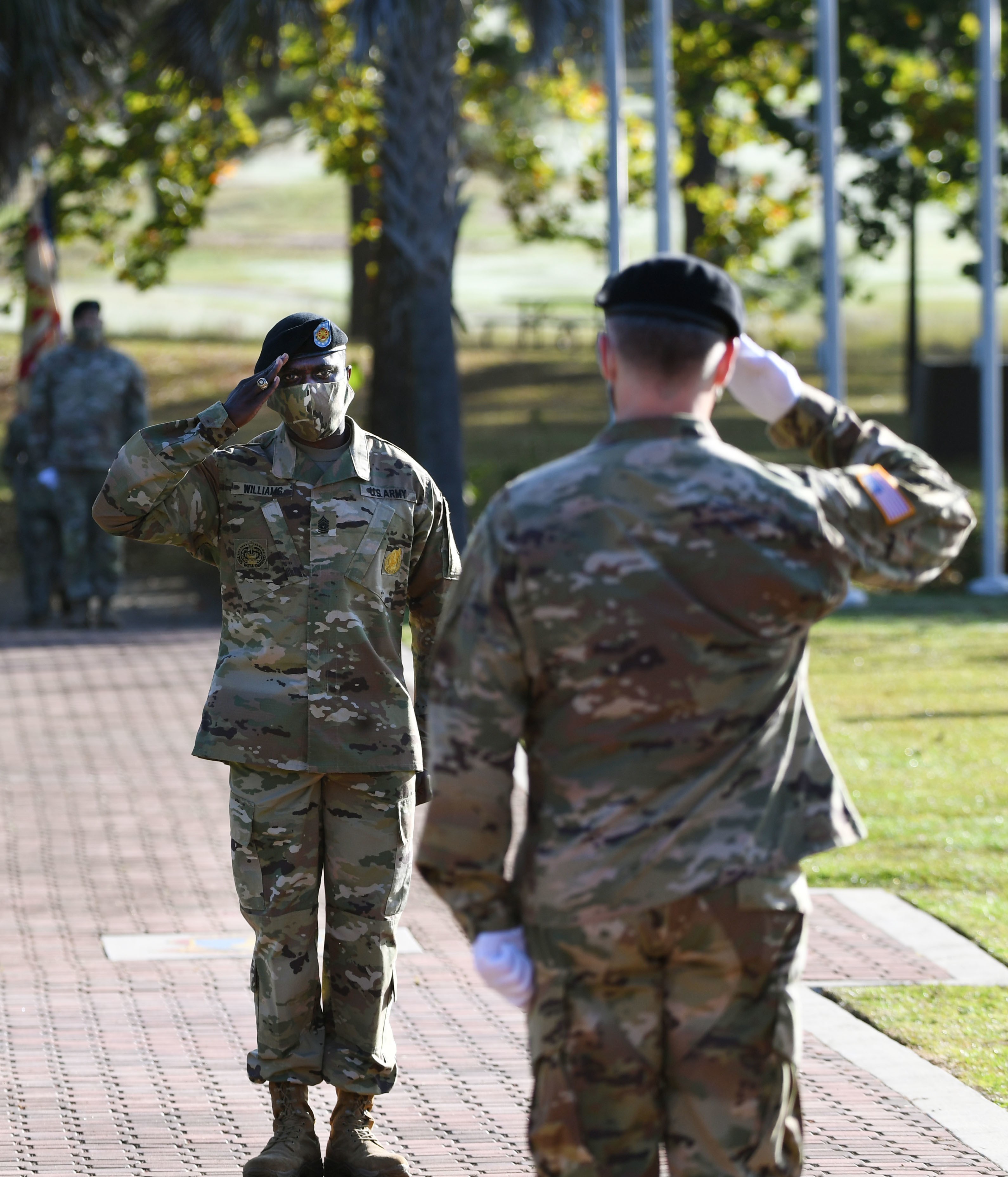
The date of birth from Davis' tombstone at Arlington National Cemetery is July 1, 1877, the day he was drafted.
Slovak Armed Forces
Davis attended M Street High School in Washington, where he participated in the cadet program, where the city's high schools organized martial arts and event teams that competed against each other.
His father, who is an agent of the Ministry of the Interior, and his mother, who is a nurse, urged him to go to college after finishing high school.
This section needs additional citations for validation. Please help improve this article by adding citations from reliable sources. Unavailable items can be challenged and removed. Search Sources: "Bjamin O. Davis Sr." – News · Newspapers · Books · Scholars · JSTOR (October 2016 ) (Learn how and how to remove this template message)
After graduating from high school, in response to the outbreak of the Spanish-American War, Davis enlisted on July 13, 1898 as a first lieutenant in the 8th United States Volunteer Infantry, an all-African-American unit. The battalion was stationed at Chickamauga Park, Georgia from October 1898 until the unit was disbanded in March 1899. During the war, Davis served briefly in D Company of the 1st Separate Battalion in Washington, D.C. National Guard.
Sr 71 Three Views Military Airplane Educational Poster 24x18
Davis was drafted on March 6, 1899, and on June 18, 1899, he enlisted as a private in the Regular Army's I 9th Cavalry Regiment (formerly the Buffalo Soldier regiment). At his station at Fort Duchesne, Utah, he served first as a Military Clerk and then as a Squadron Sergeant Major until 1900. At the end of 1900, Davis' division was led by Lt. Charles Young, the only African-American officer to serve in the United States Army. At that time.
Davis' desire to become an officer inspired the young man. At the United States Military Academy at West Point, Young tutored Davis in all the subjects covered by the Officer Candidate Test, especially math, which was the most difficult subject Young was up against. In early 1901, Davis passed a test at Fort Leaveworth, Kansas, and his highest score came in the math section.
In the spring of 1901, Troop I was sent overseas to serve in the Philippine-American War. In August 1901, Davis was assigned to F Troop of the 10th Cavalry, where he assumed the duties of second lieutenant. Troop F returned to the United States in August 1902. Davis was stationed at Fort Washakie, Wyoming, where he served with Troop M for several months. In September 1905 he was traditionally assigned to Black Wilberforce College in Ohio as Professor of Military Affairs. Science and Technology, a position he held for four years.
11/4/1940, Dr. of Mi-Ty Majestic Lodge, Elks No. 934, Cleveland, Ohio. A letter from O. A. Childress to President Franklin Delano Roosevelt recommending the appointment of Benjamin O. Davis to Brigadier General.
Frontal View, Lockheed Sr 71 Blackbird, Military, Airplane
In November 1909, shortly after being ordered to the headquarters of the 9th Cavalry Regiment, Davis was reassigned to Liberia for duty. He left the United States for Liberia in April 1910, and served as a military attaché reporting on the military forces in Liberia until October 1911. He returned to the United States in November 1911. In January 1912, Davis was assigned to I, 9th Cavalry. Stationed at Fort DA Russell, Wyoming. In 1913, the 9th Cavalry was assigned to guard the Mexico-US border.
In February 1915, Davies was reappointed Professor of Military Science and Tactics at Wilberforce College. From 1917 to 1920, Davis was assigned to the 9th Cavalry at Fort Stotzberg in the Philippine Islands as a quartermaster, commander of the 3rd Squadron, and the 1st Squadron. He reached the rank of temporary lieutenant colonel, but returned to the United States in March 1920 with the rank of captain.
Davis was assigned to Tuskegee Institute (now Tuskegee University) in Tuskegee, Alabama, as a professor of military science and tactics from 1920 to 1924. He served five years as a chaplain in the 2nd Battalion, 372nd Ohio Regiment. Defender from Cleveland, Ohio. In September 1929, Davis returned to Wilberforce as Professor of Military Science and Tactics. He was assigned to the Tuskegee Institute in early 1931 and remained there for six years as a professor of military science and tactics. During the summer months of 1930 to 1933, Davis led World War I Gold Star mothers and widows on trips to the burial grounds of their loved ones in Europe.
In August 1937, Davis returned to Wilberforce University as a professor of military science and tactics. Davis was assigned to the 369th Regiment of the New York National Guard in the summer of 1938 and soon after assumed command of the regiment. On October 25, 1940, Davis was promoted to the rank of brigadier general, becoming the first African-American general in the United States Army.
The Fastest Plane In The World Doesn't Need Armor
Davis became the commanding general of the 2nd Cavalry Division's 4th Cavalry Division at Fort Riley, Kansas, in January 1941. About six months later, he was assigned to Washington, DC, as an assistant in Inspector Jerrell's office. While working in Inspector Jerrell's office, Davis also served on the Negro Military Policy Advisory Committee. From 1941 to 1944, Davis conducted reconnaissance tours of African-American soldiers in the United States Army. From September to November 1942 and from July to November 1944, Davis conducted reconnaissance tours of African and American troops in Europe.
On November 10, 1944, Davis was reassigned to work under Lieutenant General John C. H. Lee as Special Assistant to the General, Commander of the Communications Area in the European Theater of Operations. He served with the Inspector General Division in the European Theater of Operations (later the Office of the Inspector General for Europe) from January to May 1945. While serving in the European theater, Davis influenced the proposed consolidation policy using replacement units. .
After serving in the European theater for over a year, Davis returned to Washington, DC as Assistant Inspector General Jerrell. In 1947, he was appointed Special Assistant to the Secretary of War. In this capacity, he returned to Liberia in July 1947 as the representative of the United States at the African national celebration.
On July 20, 1948, after fifty years in the war, Davis was sworn in by President Harry S. Truman and retired in a public ceremony. six
Post A Comment:
0 comments so far,add yours